
How Language Options Improve Accessibility on Online Platforms
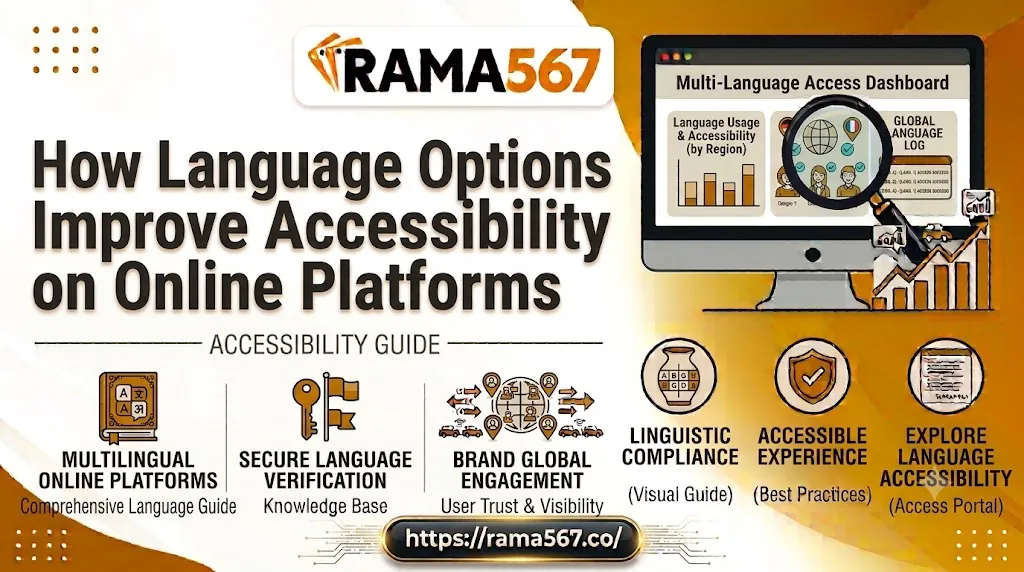
When interacting with a digital interface, a seamless communication process is the key to excellent UX. Whether a person is setting up an account, reviewing platform-specific regulations, customized account settings, and interactive communities, understanding the displayed text is crucial.
Language options are a significant addition to any online platform. With the ability to provide a list of complete multilingual solutions, online platforms, including educational material services and video games, can ensure an inclusive and clear experience for the global audience.
What Is Language Accessibility on Online Platforms?
Overview
Language accessibility is the ability of digital interfaces to provide users with information in their preferred language. Although the majority of online platforms offer the ability to view a webpage’s translated content, a properly designed language accessibility element also includes localized content, screen reader compatibility, and comprehensive safety policies.
Core Components
| Core Components of Language Access | Description |
|---|---|
| Localization & Translation | Makes content available in different languages and regions |
| Assistive Tech Integration | Supports users who rely on assistive technologies |
| Clear Terms & Safety Rules | Provides easy-to-understand terms and safety guidelines |
| Dynamic Text Direction | Supports different text directions, such as left-to-right and right-to-left |
| Overall Outcome | Inclusive Digital Environment |
The essential features of online language accessibility are:
- Localized interface elements: menus, account settings, notifications, and button labels;
- Multiple safety and support documentation: terms of service, privacy policy, and responsible usage guidelines;
- Right-to-Left (RTL) language direction: page layout re-distribution that adjusts to languages like Arabic, Hebrew, or Urdu;
- Screen reader accessibility: the use of HTML language attributes that define how a software programmed to read text aloud should pronounce foreign words.
Why Language Options Matter for Digital Accessibility
The option to switch an online platform to one’s local language is not just a comfort feature – it can significantly impact the user experience in a number of ways.
1. Promotes Inclusiveness
Having to operate a complex digital service in a foreign language can be overwhelming and cause frustrating mistakes. Giving the option to switch the interface language to one’s native or more comfortable one contributes to a more inclusive, understandable, and non-pretentious environment. Such language-localization options eliminate the necessity to use third-party tools to interpret content presented on the page and better understand the interface.
2. Ensures Understanding of Safety and Support Documentation
The rules that govern an online platform and its community are one part of the digital service that cannot be ignored. By presenting terms of service, privacy policy, community guidelines, and frequently asked questions in the user’s local language, a website or application facilitates a higher likelihood of understanding the regulations and being a responsible participant.
3. Improves Accessibility Options for Online Platforms
The presence of language options enhances the screen reader accessibility of online platforms. The text of a localized page understands the language it is displayed in and communicates that to the screen reading software to dictate the text in a comprehensible manner. If the language tag is not defined, foreign words on the page can sound incomprehensible to a screen reader programmed to only understand one language.
4. Reduces Cognitive Load and Risk of Errors
Interpreting the instructions in a foreign language can put extra stress on the user. Switching web interfaces to one’s native language reduces the cognitive load needed to process the page information.
Key Areas Where Multilingual Support Improves User Experience
To achieve a seamless language-localized experience, an online platform should provide the ability to switch languages throughout the entire website instead of only on the main page.
| Platform Section | Accessibility Impact of Multilingual Options |
|---|---|
| Sets up the account correctly and securely | Ensuring an inclusive setup experience allows users to enter correct dates of birth, verify age of majority status, and understand the online platform’s boundaries. |
| Helps users find the right tools | The language-localization setup can facilitate the discovery of time and cost limit settings. |
| Allows people to ask for support | Multilingual support options make it easier for users to read the technical support guidelines. |
| Ensures appropriate behavior in the community | The language-specific guidelines make the code of conduct easier to read and less prone to toxic misunderstandings. |
How to Build an Accessible Multilingual Online Platform
Make language toggle discoverable
Make sure the global language switcher is easily found in the corners of the screen or the bottom of the website. Use language tags in text (e.g. “Spanish”, “German”) when labeling switches instead of using language-specific flags
Avoid automated translation
Ensure that technical terms, instructions and regulations accurately translate and retain their meaning.
Consider differences in language-specific alignment
Make sure that text boxes, menu buttons, and other UI elements adjust to the length and direction of each language’s script.
Provide multilingual support options
Add multilingual support documentation to align with the platform’s language-localization tools. Or, provide language-specific technical support options.
Combine language switching and time/break management tools
Provide break management tools to users of foreign languages within the online platform, in addition to its language-localization options.
Language Accessibility and Responsible Platform Use
The connection between comprehensive language options and responsible platform use is inbuilt within clear communication. The ability to understand an online platform’s functions better helps each account holder make educated choices on their personal limits.
With improved user comprehension, the language-localization features ensure that:
- Transparent terms: every user can understand the provided support resources and privacy policies before engaging with the online platform;
- Control management: everyone has the opportunity to explore the settings function and set up personalized views and break limits;
- Assistance accessibility: each person has the ability to request help or further assistance with their language-specific online platform needs.
Also Read: Multi Language Support on Rama567 Explained
Conclusion
Language options promote inclusiveness and are a core component of an accessible online platform. From improving the screen reader experience of the users to increasing the clarity of account safety rules, the multilingual page options allow each account member to use a digital interface comfortably and safely.
Frequently Asked Questions
1. What is language accessibility on digital platforms?
Language accessibility is the ability to offer a platform navigation and policies in multiple languages so that users can read and comprehend the information easily without being limited by their language.
2. How do language options help users who rely on screen readers?
When online platforms indicate the correct HTML language codes for their language-localized web content, the speech synthesizer can determine the correct pronunciation, accents, and pitch.
3. Why are language options important for online safety and responsible usage?
Language options ensure that terms of service, privacy controls, eligibility requirements, and boundary tools are clearly communicated so that all users understand the rules of the online platform.
4. What should platforms avoid when offering language options?
Online platforms should avoid using language-specific flags, only using machine learning to translate content, or not accounting for languages that use a different page layout.
5. How does platform localization benefit non-native speakers?
Localization can help non-native online platform speakers better understand the interface elements like menus and support documentation, preventing errors and providing an inclusive experience.